Travel vaccinations for Saudi Arabia
Travelling for Umrah, Hajj, work or a holiday? Our GPhC registered pharmacists give the meningitis ACWY vaccine and certificate Saudi Arabia requires from pilgrims, plus any other travel vaccinations you need, at our Longridge, Preston clinic.
Bring your route, travel dates and vaccination records.
Travel vaccinations for Saudi Arabia
What you need depends on your trip, and we can confirm it with you at your consultation.
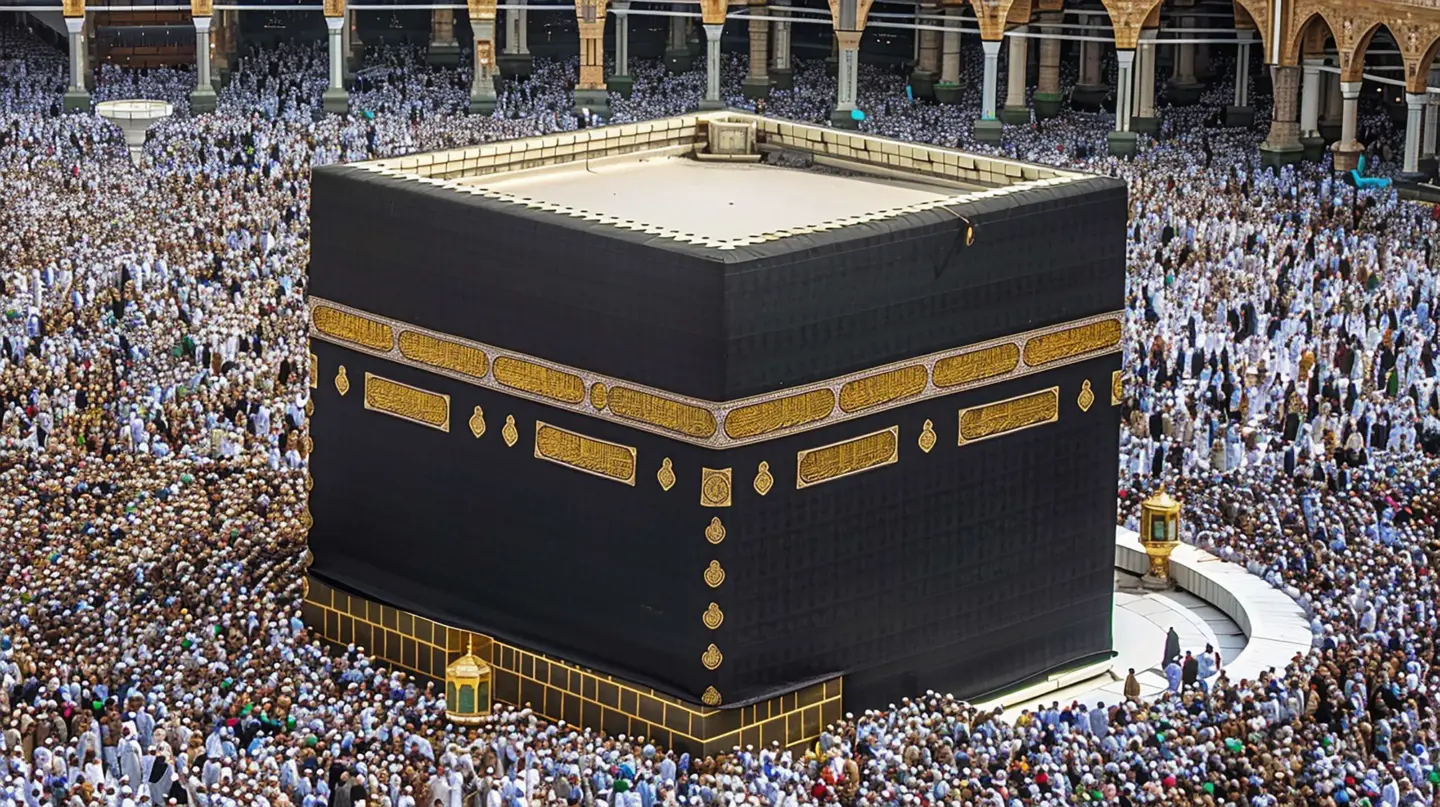
Most people we see for Saudi Arabia are travelling for Umrah or Hajj, though Riyadh, Jeddah and AlUla now draw business travellers and holidaymakers too. Pilgrimage brings its own rules: Saudi Arabia makes proof of meningococcal ACWY vaccination a visa requirement for Hajj and Umrah pilgrims and seasonal workers, and the Ministry of Health publishes updated requirements each year. At your consultation, we check your travel dates, itinerary and medical history against TravelHealthPro’s current guidance for Saudi Arabia and its Hajj and Umrah factsheet, and confirm exactly what applies.
The meningitis ACWY vaccine must be given at least 10 days before you arrive and, for the conjugate vaccine used in the UK, within the last five years. We give the vaccine, record it on a stamped certificate in your full name and talk you through what else is worth having. A tetanus booster is recommended for most travellers, and hepatitis A, hepatitis B, typhoid and rabies depend on your plans. Hepatitis B is worth considering for men who will have their heads shaved during the rites. Seasonal flu vaccination is recommended before Hajj and Umrah because of the crowds.
Some vaccines, including hepatitis A, may be free at your GP, though same-day appointments are available with us and no GP referral is needed. See current costs on our Travel Vaccination Price List.
Before you travel
Your pharmacist confirms what applies to you at your consultation.
Which vaccinations do I need for Saudi Arabia?
Your previous vaccinations, health and itinerary all affect the advice. Use these groups to prepare for a consultation; they are not a personal prescription.
Recommended for most travellers
Based on TravelHealthPro guidance for Saudi Arabia. Your pharmacist confirms what applies to you.
The combined diphtheria, tetanus and polio booster, recommended for worldwide travel if your last dose was more than ten years ago.
Meningitis ACWY vaccination, a single dose for students, Hajj and Umrah travellers, and travel to the meningitis belt of Africa.
For the latest recommendations, check TravelHealthPro's Saudi Arabia guidance. Suitability, availability and the number of doses are confirmed at your consultation.
Other vaccines to discuss
Depending on your activities, length of stay and health, these may also be relevant.
Make sure routine UK vaccinations are up to date, including MMR.
Do I need a yellow fever certificate?
The answer depends on the journey you take to reach Saudi Arabia, not only on the destination. These are the usual route cases. Age limits and details vary by country, so confirm current requirements before you leave.
Direct from the UK
Saudi Arabia has no yellow fever risk. Flying from the UK without passing through a risk country, you do not normally need a certificate.
Arriving from a yellow fever risk country
Saudi Arabia requires a certificate from travellers aged 9 months and over arriving from a country with yellow fever transmission risk, including Hajj and Umrah pilgrims. Tell us every country on your route.
An airport transit longer than 12 hours
A certificate is also required after a transit of more than 12 hours through an airport in a yellow fever risk country. Include the airport and transit time in your enquiry.
Check FCDO entry requirements and TravelHealthPro before you travel. An existing valid certificate lasts for life; bring it with you.
Malaria advice for Saudi Arabia
Malaria is not a concern for most trips to Saudi Arabia. There is no risk in Makkah (Mecca), Medina, Jeddah, Riyadh or Ta’if, so pilgrims on Umrah or Hajj do not need antimalarial tablets and bite avoidance is the only advice. The only area with any risk is the far south west along the Yemen border, including Asir province below 2,000 metres, and even there the risk is very low and tablets are not recommended. Dengue does occur in Makkah, Al Madinah and Jizan provinces, including Mecca and Jeddah, and its mosquitoes bite in the day, so pack repellent. There is no vaccine for MERS coronavirus, which is spread by camels, so avoid contact with camels and raw camel milk. For the full picture on malaria prevention, see our dedicated malaria page.
What we need to know
Prepare for the days between destinations
Vaccinations are one part of travel health. Ask about everyday precautions, insurance and access to care as you plan.
Trekking or time at altitude
Tell us about trekking, rapid ascents or stays on higher ground. We can talk through preparing for altitude and recognising when to seek help.
Food, water and your travel kit
Discuss food and water hygiene, oral rehydration supplies and what to do if diarrhoea develops while you are away.
Outdoor and animal encounters
Avoid contact with animals, including strays and wildlife. After any bite or scratch, clean the wound thoroughly and seek urgent local medical care.
Fever during or after your trip
Seek urgent medical advice for a fever during or after travel to a malaria risk area, and say where you have been. Malaria can develop after you return home.
Practical health information: FCDO health advice and TravelHealthPro. These are selected precautions; read the full guidance before you travel.
Your Saudi Arabia consultation
One appointment covers your route, your vaccination history and what to take with you.
Book a Saudi Arabia consultationLeaving sooner?
It is still worth contacting us. Call with your travel dates so we can discuss what may be possible in the time available.
Tell us about your trip
Where you are going, when you leave, how long you stay and what you will be doing.
Review your records and health
Bring your vaccination records. We check them alongside your health and any medicines.
Agree the plan and costs
We explain what is recommended, the number of doses and the price before anything is given.
Prepare for departure
Leave with your certificates, any follow-up dates and the precautions to take while away.
What travellers say about our clinic.
Clear advice, friendly pharmacists and appointments that fit around your plans. Here is what our travel customers have shared.
Saudi Arabia travel questions
Practical answers before you arrange your visit. Anything specific to your trip is covered at your consultation.
Which vaccinations do I need for Umrah?
The meningitis ACWY vaccine is a visa requirement for Umrah and Hajj, given at least 10 days before you arrive and within the last five years for the conjugate vaccine we use in the UK. Beyond that, TravelHealthPro recommends a tetanus booster (the combined diphtheria, tetanus and polio vaccine) for most travellers, with hepatitis A, hepatitis B, typhoid and rabies depending on your plans, and routine vaccinations such as MMR up to date. Saudi Arabia also recommends a seasonal flu vaccine for pilgrims because of the crowds.
Is the meningitis ACWY vaccine compulsory for Hajj and Umrah?
Yes. Saudi Arabia requires proof of meningococcal ACWY vaccination from all Hajj and Umrah pilgrims and seasonal workers as a condition of the visa, and the certificate is checked on arrival. It must show your full name, the vaccine name and type, the date and the clinic’s stamp. The requirement exists for good reason: outbreaks of meningococcal disease have followed previous pilgrimages, including cases in travellers returning to the UK from Umrah in 2024 and 2025. We give the vaccine and issue the certificate in one appointment.
How long before Umrah or Hajj should I have the meningitis vaccine?
At least 10 days before you arrive in Saudi Arabia. The conjugate ACWY vaccine is accepted for five years from the date it was given, so if you had one for a previous pilgrimage within that time, bring the certificate and you may not need another. If the certificate does not state the vaccine type it is treated as valid for three years. It is a single injection, so booking two to three weeks before you fly leaves a comfortable margin.
Do I need a polio or yellow fever certificate for Saudi Arabia?
Not if you fly direct from the UK. Saudi Arabia asks Hajj and Umrah pilgrims arriving from a country where polio is still circulating for a polio certificate, and travellers arriving from a yellow fever risk country for a yellow fever certificate. Either can apply if your journey goes through such a country first, for example combining Pakistan with Umrah, so tell us your full route and we can issue the right certificate.
When should I get my travel vaccinations?
Ideally four to six weeks before you travel. Some courses, such as rabies and hepatitis B, are given over a few weeks, so the earlier you book the better. If your trip is sooner than that, come in anyway, as there is usually still something we can do to protect you.
Which travel vaccines do I actually need?
It depends on where you are going, what you will be doing and how long you are staying. At your consultation we check your itinerary against the latest TravelHealthPro (NaTHNaC) recommendations and talk through exactly what is advised for your trip.
Do I need a Yellow Fever certificate?
Some countries require proof of yellow fever vaccination before they will let you enter. We are a registered Yellow Fever centre, so we can arrange your vaccination and issue your certificate. We will confirm at your consultation whether your destination needs one.
How much do travel vaccinations cost?
Vaccines are priced per dose, and some need more than one dose for the full course, so we always show you the total before we start. You can see current prices on our travel vaccination price list. Some vaccines, such as hepatitis A and typhoid, may be free at your GP, though same-day appointments are available with no GP referral needed.
Do I need malaria tablets as well?
Malaria is prevented with antimalarial tablets, not a vaccine. Whether you need them depends on the region you are visiting and the time of year. We advise on this at your consultation and can prescribe the right tablets for your trip. You can read more on our malaria page.
Are recommended vaccines the same as entry requirements?
No. A vaccine can be recommended to protect your health even where no certificate is needed for entry. Some countries do have certificate requirements linked to where you have travelled or transited, so check both the health advice and the entry rules before you depart. Your route and personal circumstances matter to both.
What if I am visiting several countries?
Share your full route, including stopovers and onward travel. Vaccination advice and malaria prevention can differ between countries, and between regions within a country, so we look at every stop when we plan with you.
Can I get advice for a destination without a guide?
Yes. Our country guides cover the destinations we are asked about most, but every consultation covers your exact itinerary. Contact the clinic with your destination, departure date and travel plans and we will discuss the next step.
Should I check again if I have visited before?
Yes. Advice can change, and a new trip may involve different regions, activities or lengths of stay. Bring your previous vaccination records when you discuss the journey so we can see what is still covered.
Where can I check current destination information?
Use the TravelHealthPro country information for current health guidance and GOV.UK foreign travel advice for entry rules and travel information. Check again closer to departure, and bring anything you are unsure about to your consultation.
Your Saudi Arabia plans.
A clear next step.
Country-specific travel advice on Berry Lane, serving Longridge, Preston and the Ribble Valley.
Longridge Travel Health Clinic54 Berry Ln, Longridge, Preston PR3 3JPGet directions
Have these details to hand.
They help us arrange the right appointment for your trip.
Leaving soon? Call 01772 439054.